
Is Telehealth Right for You? A Practical Guide for Doctors and Nurse Practitioners
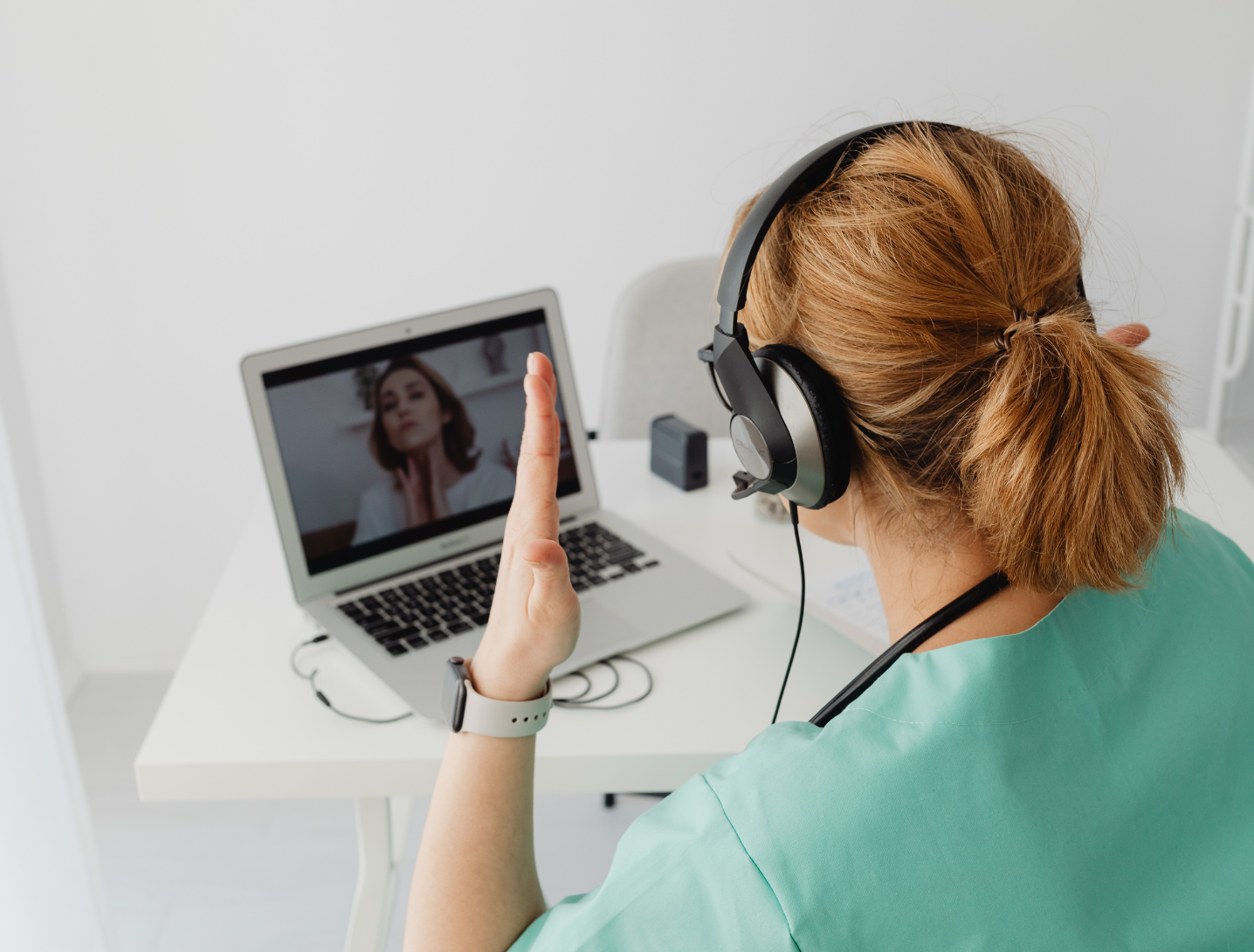
For generations, the path into medicine has been relatively fixed. Long hospital shifts, ward rounds, and years of apprenticeship formed the backbone of clinical training before branching into general practice or specialty care. But a quiet shift is underway, and for many young doctors, the question is no longer just what kind of doctor to become — but how they want to practise.
Telehealth is increasingly part of that conversation.
Once viewed as a stopgap during the pandemic, telehealth has evolved into a permanent and growing pillar of the healthcare system. Across Australia, it is now helping address persistent challenges — from GP shortages to long wait times and limited access in regional communities. For patients, it offers convenience. For doctors, it offers something more complex: a fundamentally different way of practising medicine.
That difference is often underestimated.
At first glance, telehealth can appear deceptively simple. A video call. A prescription. A medical certificate. But behind the interface, the clinical task is arguably more demanding in subtle ways. Without the ability to examine a patient, doctors must rely almost entirely on history-taking, pattern recognition, and risk stratification. The margin for error shifts, and with it, the skill set required.
For some doctors, this environment is energising. It sharpens clinical reasoning and forces clarity of thought. Communication becomes more deliberate, questioning more precise. Decisions must be made efficiently, often with incomplete information, and always with careful safety-netting. In this setting, good medicine becomes highly structured medicine.
For others, however, the experience can be uncomfortable.
The absence of physical examination introduces uncertainty that not every clinician finds easy to manage. There is less immediate peer interaction, fewer informal corridor conversations, and a greater sense of working independently. Without strong systems and support, telehealth can feel isolating — and in some cases, clinically risky.
This is where the quality of the platform matters.
Well-run telehealth services operate with clearly defined scopes of practice, established care pathways, and accessible senior clinical support. These structures are not administrative overhead — they are essential safeguards. They allow doctors to work confidently within boundaries, escalate when needed, and maintain high standards of care in a virtual environment.
Poorly governed services, by contrast, expose both doctors and patients to unnecessary risk.
For young doctors considering telehealth, timing is also critical. While the flexibility is attractive — the ability to work from home, control hours, and avoid some of the pressures of hospital environments — telehealth is rarely a substitute for foundational clinical experience. Most clinicians who thrive in this space bring with them a solid grounding in general medicine, an ability to recognise when something doesn’t fit, and the confidence to say no when a presentation falls outside scope.
Those who enter too early may find the lack of structure challenging. Those who enter at the right time often find it transformative.
There are also broader implications to consider. Telehealth is no longer operating on the fringes of healthcare delivery. It is increasingly integrated with pharmacy services, diagnostic pathways, and hybrid care models that combine virtual and in-person treatment. In many parts of the country, particularly regional Australia, it is becoming a primary access point for care.
Doctors working in telehealth are not stepping away from the system — they are, in many ways, helping to hold it together.
For a new generation of clinicians, this presents both an opportunity and a decision point. Telehealth offers flexibility, autonomy, and exposure to high volumes of patient care. But it also demands discipline, strong clinical judgement, and comfort with ambiguity.
It is not easier medicine. It is different medicine.
And as healthcare continues to evolve, the doctors who understand how to practise effectively in both physical and digital environments will be the ones best positioned for what comes next.
The question is no longer whether telehealth will be part of the future of medicine. It already is.
The real question for young doctors is simpler — and more personal:
Is it the right fit for you?
Featured Articles
Telehealth Done Properly: What Clinicians Should Look for in a Telehealth Service

Why Clinical Governance Matters More in Telehealth Than Ever
.png)
Flexible Work Without Burnout: Making Telehealth Sustainable for Clinicians
.jpg)
The Expanding Role of Pharmacist Prescribing — and Why It Matters for Access to Care

The Best Tech Setup Behind Good Telehealth
.png)
A New Standard for Telehealth — And a Turning Point for Digital Care in Australia
.jpg)